How Chimney Flashing Repairs Prevent Ceiling Water Stains
You are relaxing in your living room after a heavy rainstorm when you look up and spot it: a faint, yellowish-brown circle spreading across the ceiling. For many homeowners in Boise, discovering a water stain is a sinking feeling that immediately brings up worries about a failing roof. However, the true culprit is often something much smaller and more specific than the entire roofing system: your chimney flashing.
A leaky roof is one of the most common issues we see, and very often, the origin point is the junction where the masonry of the chimney meets the roof deck. Let's explore why this happens, how the weather impacts these vulnerable areas, and how timely repairs can save your home's interior from costly water damage.

Understanding the Vulnerability of Chimney Flashing
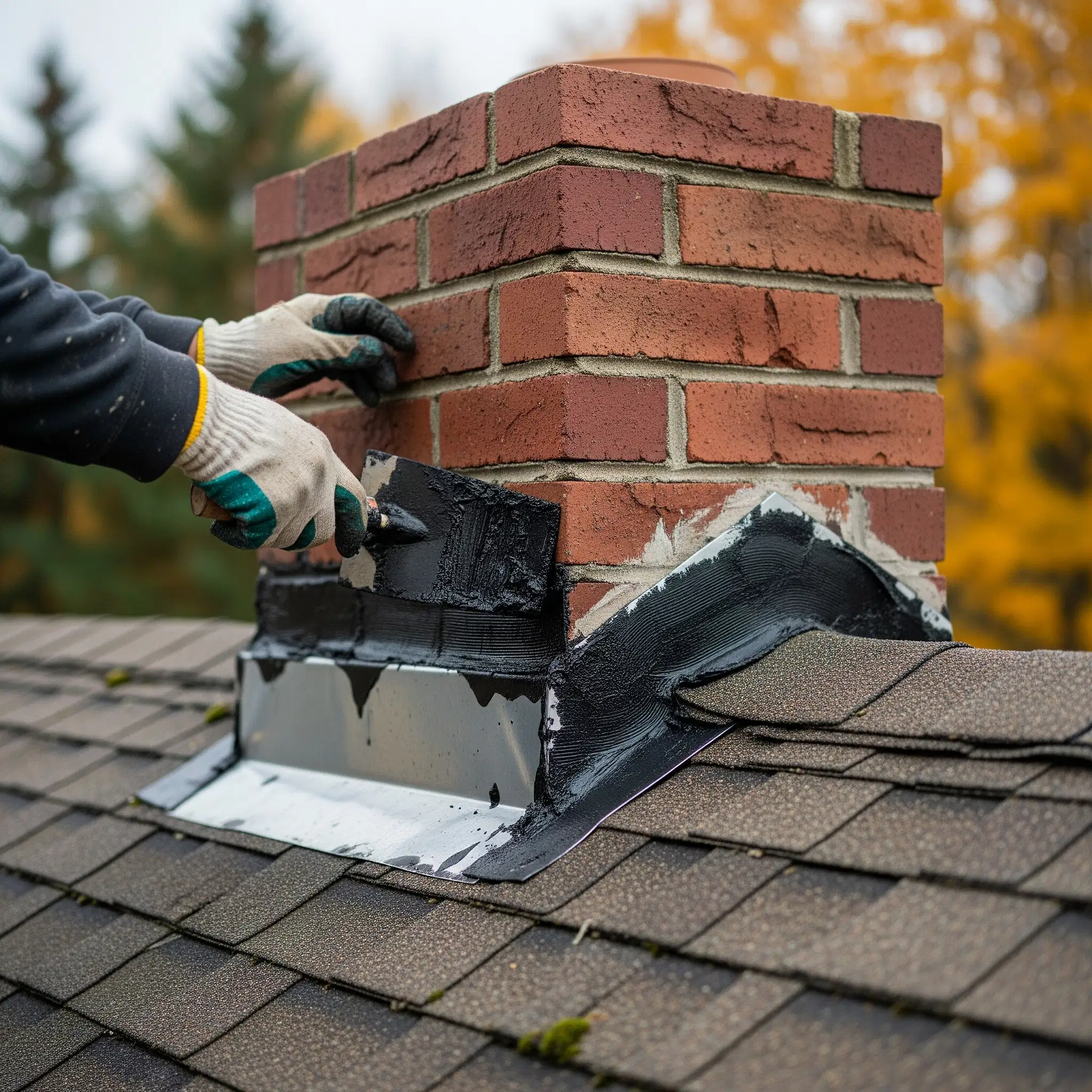
Your chimney sits directly in the path of wind, rain, and snow. To keep water from running right down the sides of the masonry and into your attic, metal flashing is installed to bridge the gap between the roof and the chimney. This flashing system usually consists of step flashing woven into the shingles and counter flashing embedded directly into the mortar joints.
When properly installed, this system forms a watertight barrier. However, over time, exposure to intense summer heat and freezing winter temperatures can compromise these seals. Recognizing the signs of failing chimney roof flashing early on is critical for protecting your home. You might notice peeling sealant, rusted metal, or gaps where the metal has physically pulled away from the brick. Once that seal is broken, water has a direct path into your attic and eventually onto your ceiling.
How Crumbling Mortar Causes Roof Leaks
The metal flashing itself isn't always the first thing to fail. Often, the problem starts with the masonry. Understanding how crumbling mortar causes roof leaks requires looking at the intense weather cycles we experience here in Ada County.
Brick and mortar are highly porous materials. When they absorb moisture from rain or melting snow, and the temperature drops below freezing during a winter inversion, that trapped water expands. This continuous freeze-thaw cycle causes the mortar to crack and eventually crumble away in a destructive process known as spalling.
As the mortar deteriorates, the counter flashing that was tightly embedded in it becomes loose. Water then sneaks behind the flashing, bypassing your roofing system entirely. If you have an older home, maintaining that masonry is especially vital. That is why our approach to professional chimney repair involves not just replacing the metal, but often partnering with masonry specialists to repoint the brickwork. This ensures the new flashing has a solid, watertight foundation to anchor into.
The Ripple Effect on Your Roofing System
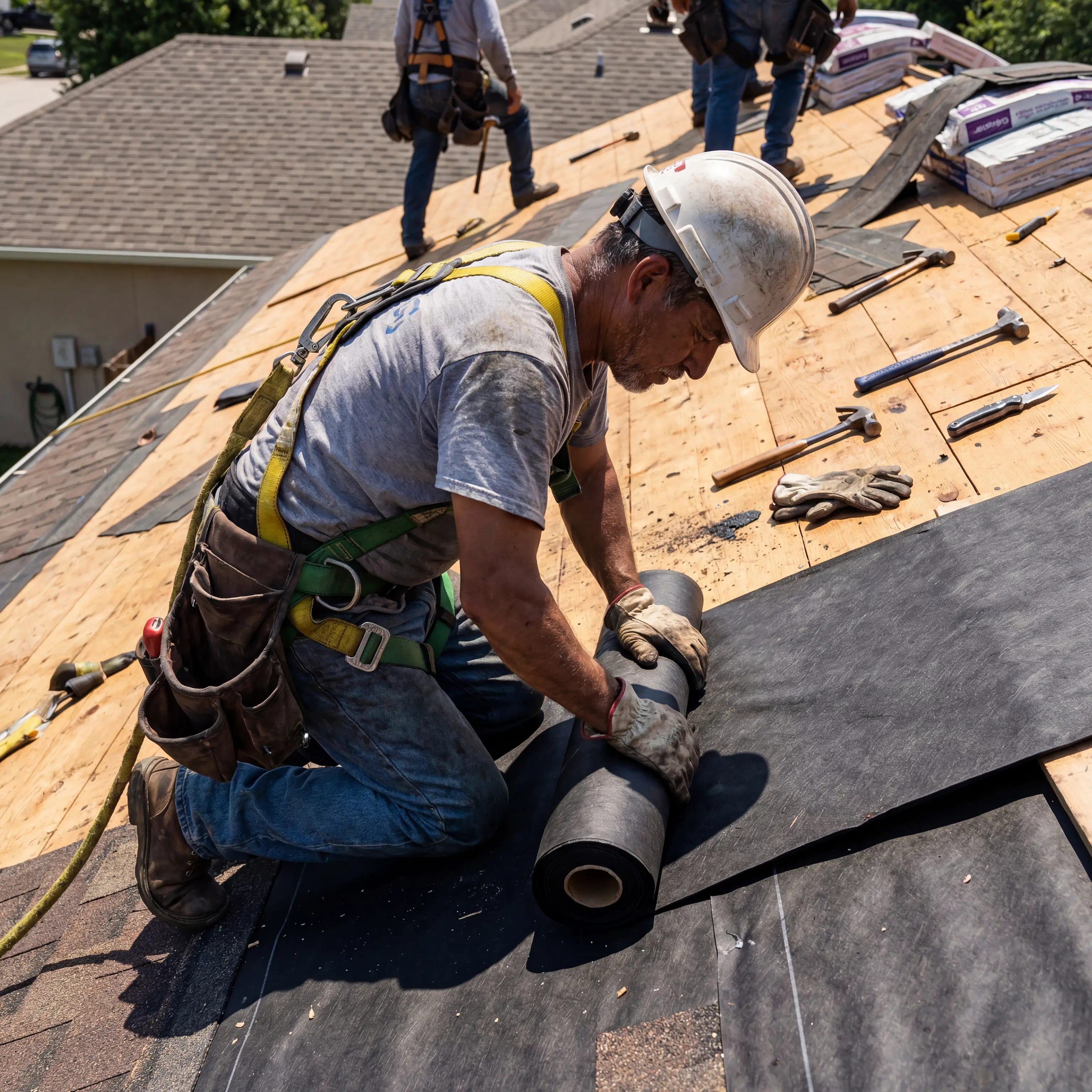
Water is notoriously tricky. When it enters through compromised flashing, it rarely drops straight down. Instead, it travels along the path of least resistance. It can run down the roof decking, soaking the underlayment and rotting the structural wood beneath your shingles.
Often, this trapped moisture migrates toward the edges of your roof. Over time, this can lead to hidden rot in the structural overhangs, requiring extensive fascia, soffit, and eave repairs or upgrades. By the time you actually see a water stain on your living room ceiling, the water may have already traveled several feet from the chimney, causing unseen structural issues along the way. Preventing water damage around chimney counter flashing isn't just about stopping a minor drip; it is about protecting the structural integrity of your entire roofing system.
Our Approach to Restoring Your Roof's Defense
Fixing a chimney leak requires a comprehensive, detail-oriented approach. We do not believe in just applying a quick coat of sealant and walking away, which is a tactic sometimes used by out-of-state contractors who leave town after a storm. Our process begins with a thorough evaluation. We often utilize drones to safely and accurately assess the condition of the masonry, the flashing, and the surrounding shingles without causing unnecessary foot traffic on your roof.
If we find deterioration, we carefully protect your property before removing the damaged materials. We then perform the core repairs, which might include replacing broken bricks and repointing the mortar. Finally, we install new, high-quality metal flashing, ensuring a seamless integration with your existing roofing materials. This meticulous process ensures that the junction between your roof and chimney is completely watertight and built to withstand the extremes of our local climate.
Protect Your Home Before the Next Storm
A water stain on the ceiling is a clear signal that your home's defenses have been breached, but you do not have to wait for a leak to take action. Proactive maintenance is the most effective way to protect your investment, extend the lifespan of your roof, and avoid the massive disruption of emergency interior repairs.
If you have noticed degraded mortar, rusted metal around your chimney, or if you simply have not had your roof checked in a few years, it is time to get a professional set of eyes on it. Do not let a small flashing issue turn into a major restoration project. Reach out to Boise Roof today for free roof inspections and estimates. We are proud to help homeowners throughout the Treasure Valley keep their roofs strong, secure, and completely leak-free.