How Proper Attic Ventilation Prevents Winter Ice Dams
When winter weather settles over the Treasure Valley, a fresh blanket of snow transforms the local landscape into a beautiful seasonal postcard. However, that same beautiful snow can mask a hidden and highly destructive problem on top of your home: ice dams. While many homeowners assume that a thick layer of snow on the roof simply proves that their insulation is working, the reality is much more complex.
Without proper airflow, the heavy snow loads we experience during the colder months can lead to significant structural risks and water damage. In a region where a severe Winter Inversion can trap cold air and moisture for weeks on end, ensuring your roof system breathes correctly is critical to protecting your long-term investment.
Understanding the science behind roof ventilation not only saves you from the headache of sudden mid-winter leaks but also significantly lowers your year-round energy costs. Let us explore exactly how attic airflow prevents winter moisture buildup and what steps you can take to safeguard your home before the deep freeze arrives.
The Hidden Danger: How Ice Dams Form
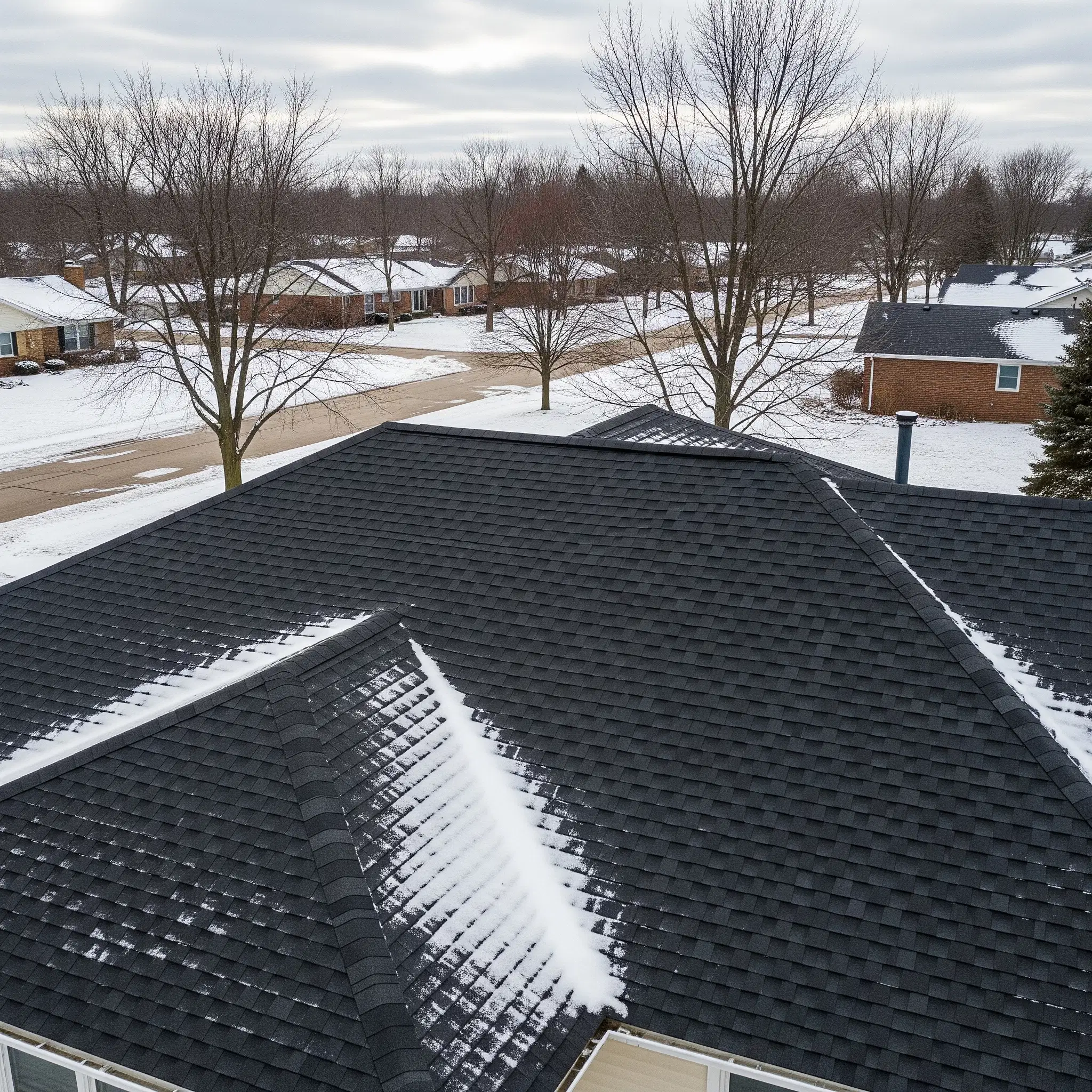
To understand why ventilation is so important, it helps to understand exactly how an ice dam is created. The process begins inside your home. As you run your heater to stay comfortable, heat naturally rises. If your attic is not adequately insulated and properly ventilated, that warm air escapes into the attic space, raising the temperature of your roof deck.
When the roof deck gets warm, it melts the bottom layer of snow resting on your shingles. This melted water trickles down the slope of your roof until it reaches the eaves and gutters. Because the eaves extend past the exterior walls of your heated home, they remain at freezing temperatures. The runoff water hits this freezing edge and turns back into solid ice.
As this freeze-thaw cycle continues, a ridge of ice—an ice dam—builds up along the edge of your roof. Eventually, this barrier traps additional meltwater behind it, forcing the liquid to back up under your roof shingles. From there, it is only a matter of time before the moisture finds its way into your ceiling, leading to ruined drywall, structural rot, and even hazardous mold growth.
This is exactly how attic airflow prevents winter moisture buildup. By maintaining a continuous flow of cold, outside air through the attic space, the roof deck remains cold enough to keep the snow from melting prematurely, stopping the ice dam cycle before it can even begin.
Spotting the Warning Signs
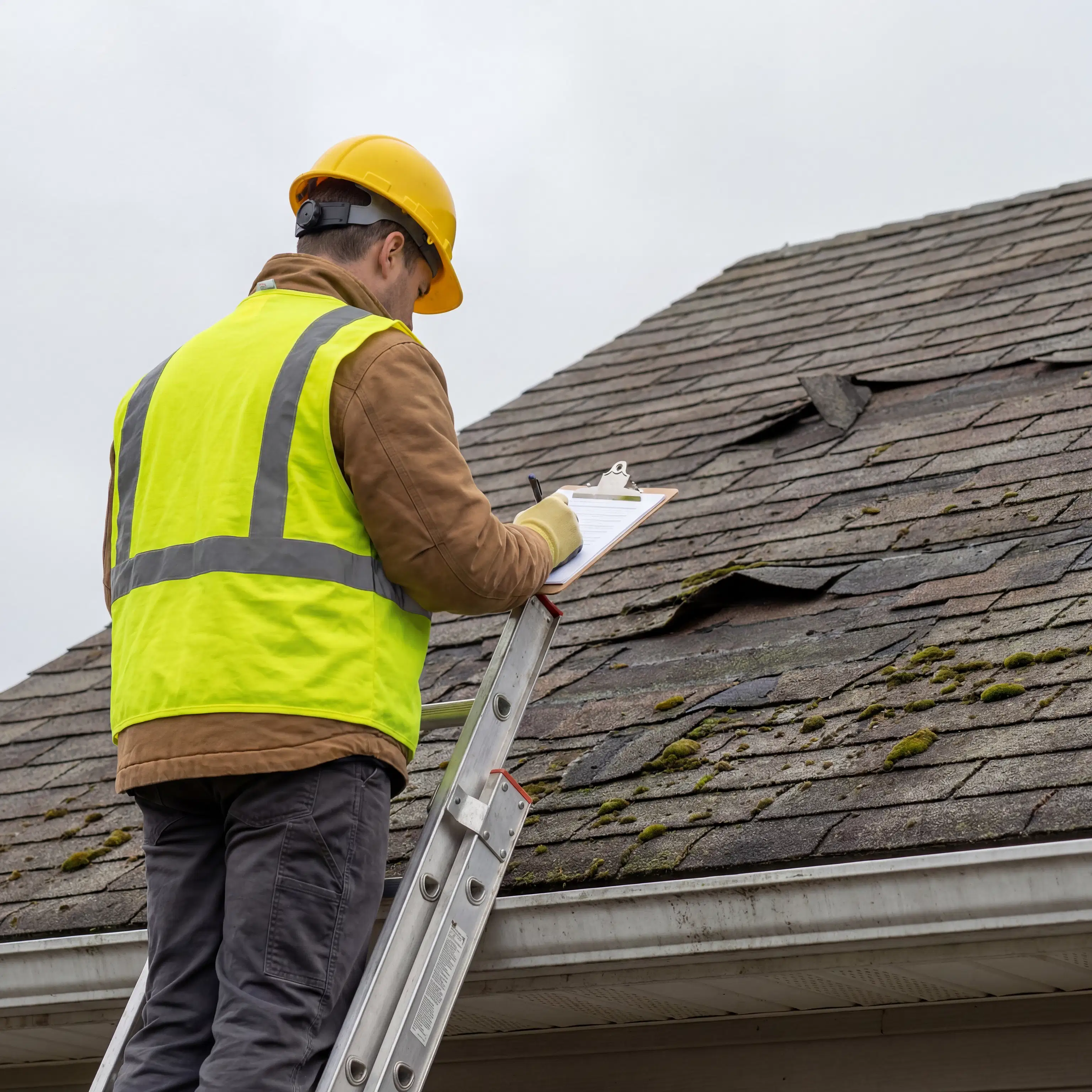
Waiting for a leak to appear in your living room ceiling is an incredibly stressful and expensive way to discover a ventilation problem. Many older properties, particularly those classic historic homes in the North End, were built long before modern building codes prioritized efficient airflow. For these beautiful older homes, inspecting the attic is a critical part of seasonal maintenance.
Knowing the signs of poor attic ventilation before winter can save you from a major roofing emergency. Keep an eye out for these common red flags:
- Frost on Roof Nails or Decking: If you poke your head into the attic on a cold morning and see a white, sparkly coating of frost on the underside of the wood or the tips of roofing nails, you have a serious moisture problem. When that frost melts, it drips onto your insulation, rendering it ineffective.
- Unusually Warm Attic Temperatures: Your attic temperature should feel very similar to the outside air during the winter. If it feels noticeably warmer, heat is escaping from your living areas and accumulating under the roof deck.
- Inconsistent Snow Melt: Look at your roof after a light snowfall. If you see bare patches where the snow has melted away quickly while the rest of the roof remains covered, it indicates hot spots caused by escaping heat.
- Excessive Condensation or Musty Odors: A stagnant, humid environment creates a breeding ground for mold and mildew. A musty smell in your upper floors or visible condensation on attic fixtures is a clear warning sign.
Addressing these issues proactively with professional attic insulation and ventilation upgrades is a highly cost-effective way to protect your property and improve your indoor air quality.
The Solution: A Balanced Approach to Airflow
Fixing a ventilation issue is not as simple as just cutting a few holes in the roof. Effective moisture control requires a carefully calculated system that utilizes balanced ridge and soffit vents for ice dam prevention.
Here is how a balanced system works: Soffit vents are installed under the eaves of your roof to act as the intake. Fresh, cold air is drawn into the attic through these lower vents. As the air inside the attic naturally warms up from the sun or ambient house heat, it rises and exhausts through the ridge vents located at the very peak of the roof. This continuous, passive circulation ensures the roof deck stays uniformly cold, matching the exterior temperature and preventing the uneven melting that causes ice dams.
Due to our region's distinct seasonal shifts, strict enforcement of building codes in Ada County heavily emphasizes proper ventilation and snow load resilience. An optimized ventilation system doesn't just protect you in the winter; it also pushes super-heated air out of your attic during our intense summer heat, which can slash your cooling bills by 10% to 20%.
When we install high-quality asphalt shingles, such as the Malarkey Windsor line, we ensure the entire roofing system is perfectly calibrated. These premium architectural shingles paired with a flawless ventilation setup can provide 30 to 50 years of durable, low-maintenance protection, backed by robust manufacturer warranties.
Protect Your Home This Winter
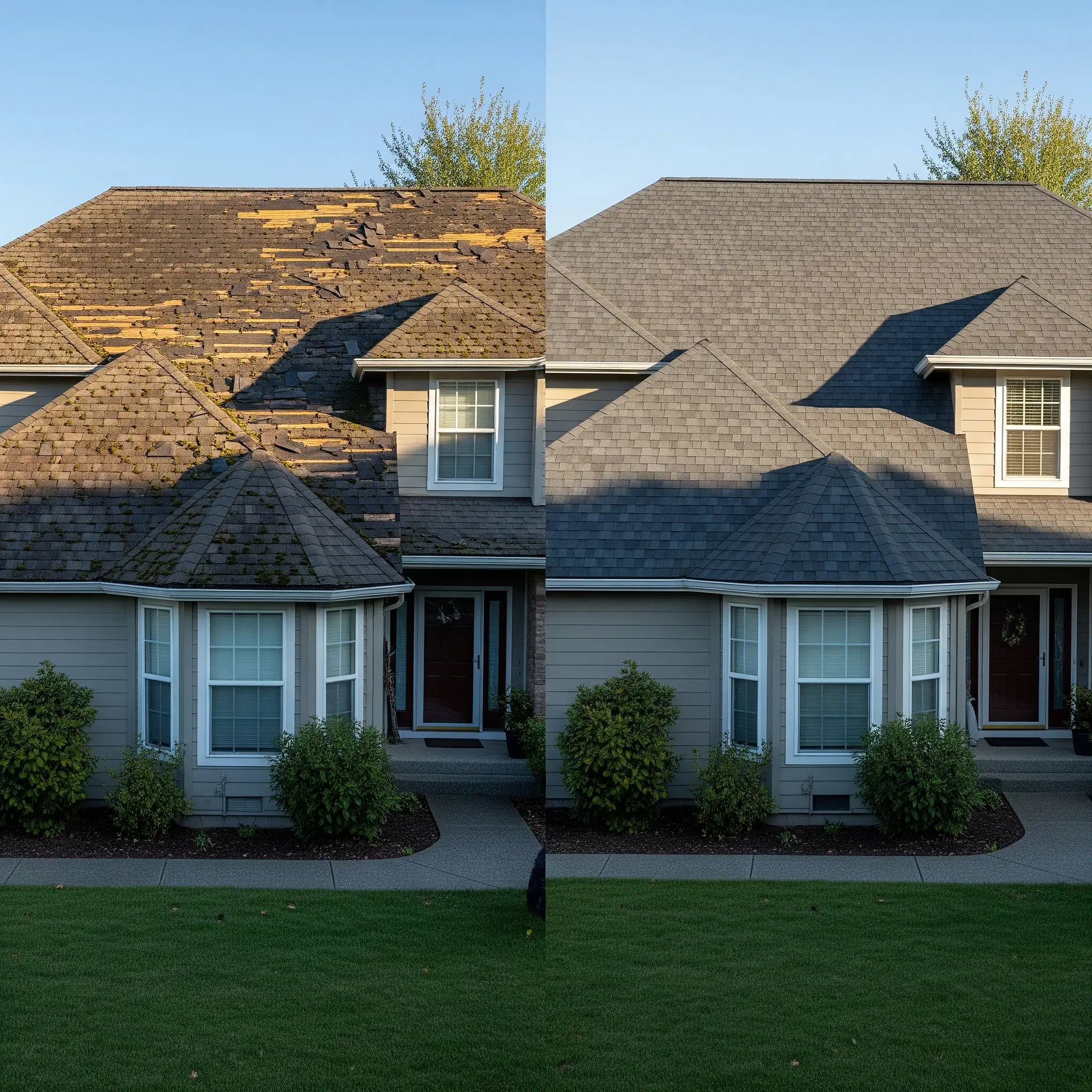
Your roof is a complex system of interconnected parts, and ventilation is the vital lungs of that system. Ignoring the warning signs of trapped heat and moisture usually results in emergency leak repairs, stressful insurance claims, and premature deterioration of your roofing materials.
As a local, 5th-generation company deeply familiar with Boise weather patterns, we know exactly what it takes to fortify your home against the freezing elements. Taking proactive steps now is much more affordable than dealing with the fallout of severe water damage later.
If you are concerned about the airflow in your home or have noticed previous winter damage, do not wait for the next major storm. Contact Boise Roof today to schedule one of our free roof inspections and estimates. Let our experienced team assess your attic health and design a tailored plan for ice dam prevention and removal so you can enjoy the snowy season with complete peace of mind.