Is Your Roof Ready for a Boise Winter? A Homeowner's Guide to Snow Load
The first heavy snowfall in the Treasure Valley is a beautiful sight, blanketing the foothills and our neighborhoods in a quiet layer of white. But as homeowners, we know that with that beauty comes a significant responsibility: ensuring our homes are prepared for the weight of it all. The term "snow load" isn't just industry jargon; it's a critical factor for every property owner in Boise. The sheer weight of accumulated snow and ice can put immense stress on your roof's structure, potentially leading to costly damage, dangerous leaks, and in worst-case scenarios, structural failure.
Understanding how to prepare your roof for winter isn't about fearing the snow—it's about respecting it. This guide will walk you through what snow load means for your home, how to proactively prepare for the season, and how to spot the warning signs that your roof is under stress. With a little preparation, you can enjoy the winter wonderland with true peace of mind.
What Exactly Is Snow Load and Why Is It a Risk?
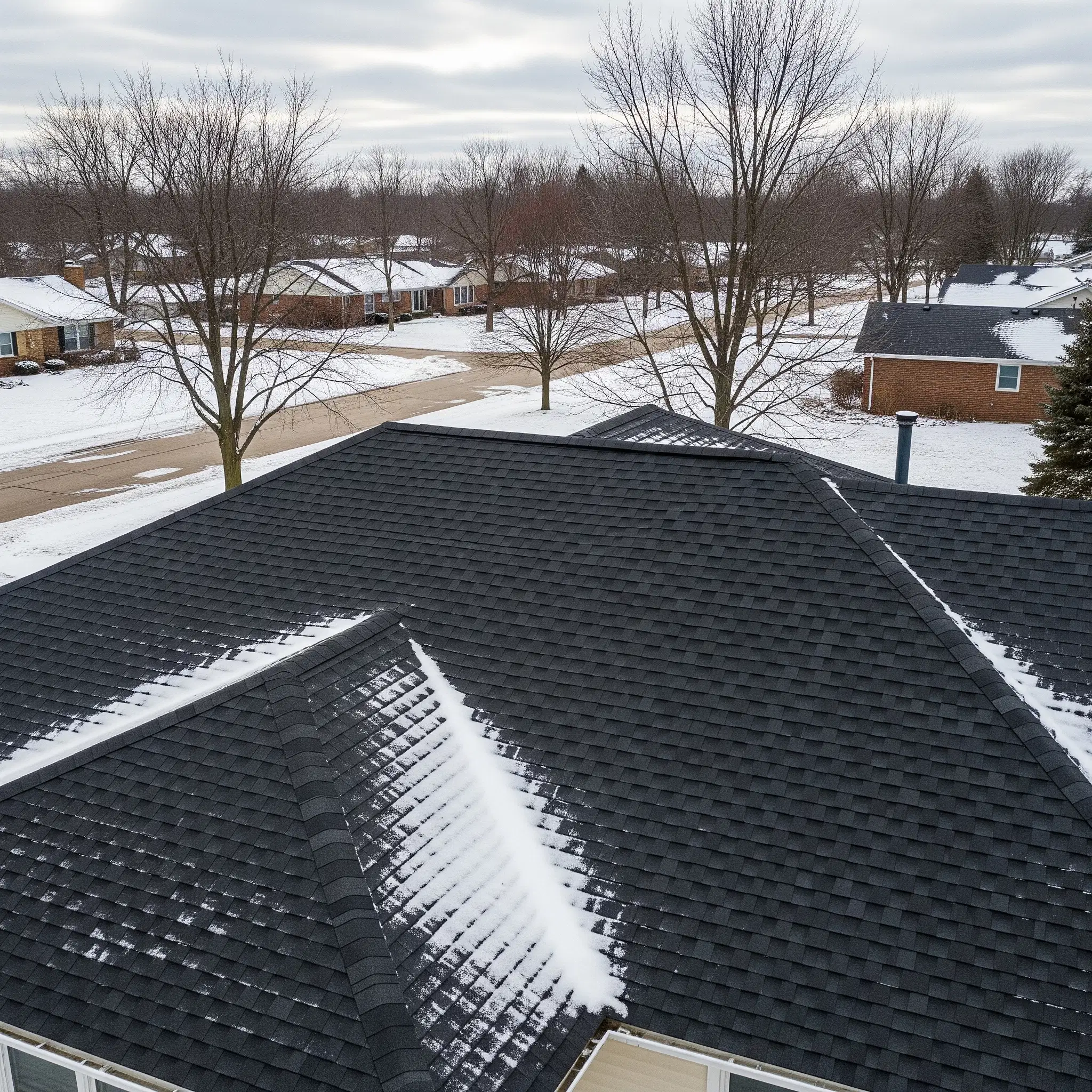
Snow load refers to the downward force that accumulated snow exerts on a roof. It’s easy to underestimate this weight. A single cubic foot of light, fluffy snow can weigh around 7 pounds, but the same amount of wet, heavy snow can weigh 20 pounds or more. When you multiply that by the entire surface area of your roof, the numbers become staggering.
In our high desert climate, the risk is often compounded. We frequently experience cycles of snowfall followed by slightly warmer temperatures and then a hard freeze. This process compacts the snow and can create layers of dense ice, dramatically increasing the weight. This is also the perfect recipe for creating ice dams.
Ice dams are thick ridges of ice that form along the eaves of your roof. They occur when heat from your attic melts the snow on the upper parts of the roof. This water runs down until it reaches the cold eaves, where it refreezes. The resulting dam blocks water from draining properly, forcing it back up under your shingles where it can leak into your attic and home, causing damage to insulation, ceilings, and walls. A heavy snow load combined with ice dams is a serious threat to your home's integrity.
Proactive Steps to Prepare Your Roof for Winter
The best way to deal with heavy snow is to ensure your roof is in top condition before the first flake falls. A proactive approach not only prevents damage but also saves you from the stress and expense of emergency repairs. Here are the essential steps every homeowner should take in the fall:
-
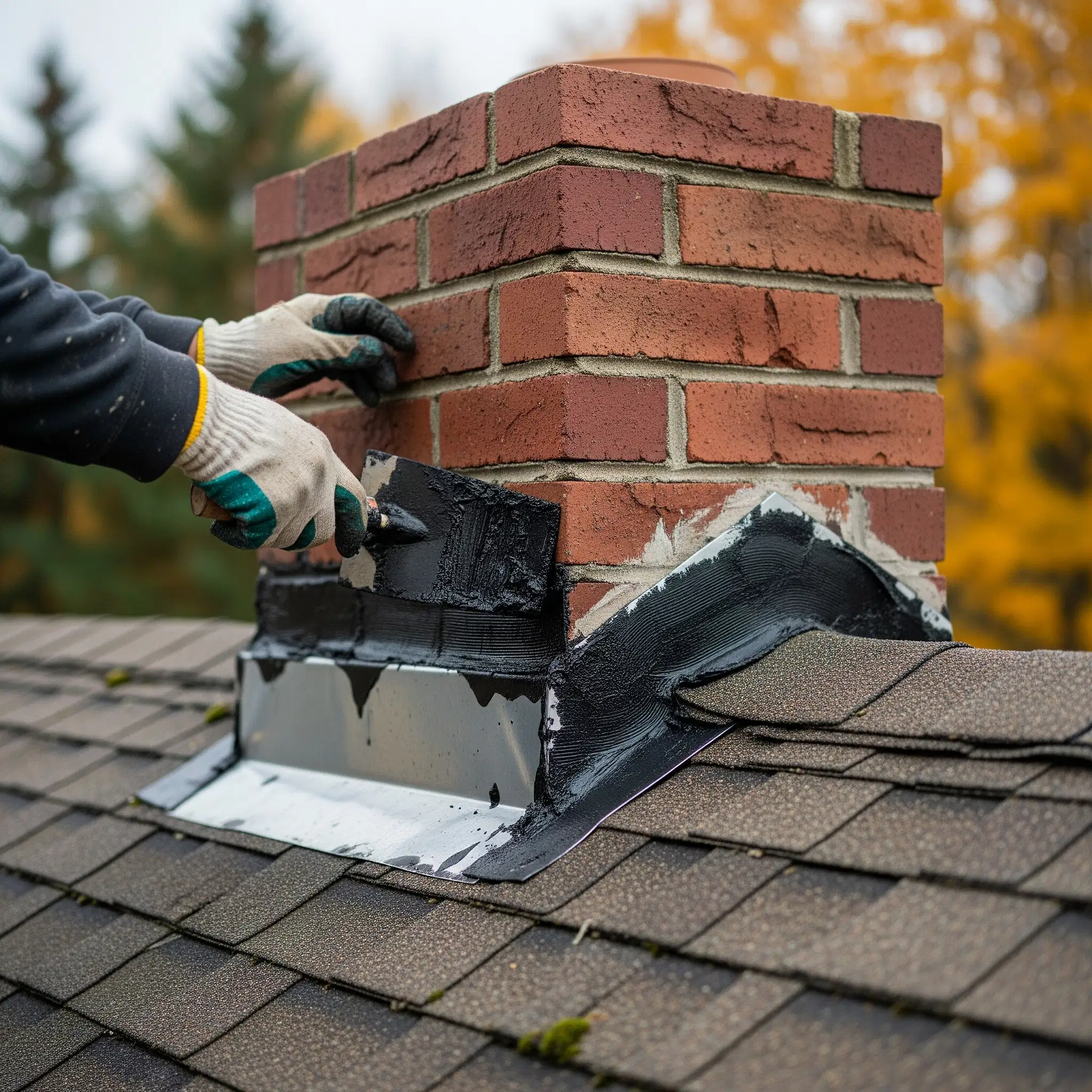
Schedule a Professional Inspection: This is the single most important step. A trained professional can identify subtle issues like loose shingles, damaged flashing, or signs of pre-existing structural weakness that could become major problems under a heavy snow load. An early inspection gives you time to make necessary repairs. You can learn more about our process on our free roof inspections and estimates page.
-
Clear Gutters and Downspouts: Gutters clogged with fall leaves and debris are the primary cause of ice dams. When water can't drain away from the roof, it freezes and expands, creating a blockage that can lead to significant water damage. Ensure your entire gutter system is clear and flowing freely.
-
Assess Attic Insulation and Ventilation: Proper attic ventilation is crucial for preventing ice dams. A well-ventilated attic stays cold, preventing the underside of the roof deck from warming up and melting snow. Check that your soffit and ridge vents are not blocked and that your insulation is evenly distributed and sufficient for our climate. This is a key part of our ice dam prevention services.
-
Trim Overhanging Trees: Branches weighed down by heavy snow can snap and fall onto your roof, causing punctures or structural damage. Trim any large branches that hang directly over your house before winter sets in.
For homeowners who want year-round assurance, a roof maintenance program can handle these crucial tasks for you, ensuring your roof is always ready for the season.
Warning Signs: How to Tell if Your Roof is Under Stress
Even with preparation, an unusually heavy winter can still put your roof to the test. It's important to know the warning signs of excessive snow load so you can act quickly. Pay close attention to these signals from inside your home, as they are often the first indication of a problem.
Interior Warning Signs:
- Sticking Doors or Windows: If interior doors suddenly begin to stick or won't latch properly, it could be a sign that the building's frame is shifting under the weight.
- New Cracks in Drywall: Look for new cracks appearing in the drywall or plaster, especially above interior doors and window frames.
- Audible Noises: Popping, creaking, or groaning sounds coming from the roof or attic are a serious red flag that the structure is under strain.
- Sagging Ceiling: Any visible sagging in your ceiling is an immediate cause for concern and requires urgent attention.
- Leaks and Water Stains: New water stains on your ceiling or walls indicate that moisture is penetrating your roof, likely from an ice dam or damage caused by the weight.
If you notice any of these signs, do not ignore them. The safety of your family and your home is paramount. It's time to call a professional for an immediate assessment.
Your Winter Action Plan: What to Do (and Not Do)
When the snow piles up, it can be tempting to take matters into your own hands, but it's crucial to prioritize safety above all else.
What You Should Do:
- Use a Roof Rake (with caution): For single-story homes, a long-handled roof rake can be used to safely pull snow off the eaves while you stand firmly on the ground. This can help relieve stress and prevent ice dams. Never use a roof rake near power lines.
- Call a Professional: If you have a multi-story home, a steep roof, or are seeing any of the structural warning signs mentioned above, the safest and most effective solution is to call an experienced roofing contractor. We have the proper safety equipment and techniques to remove snow without damaging your roof.
What You Should NEVER Do:
- Don't Get on the Roof: Walking on a snow-covered roof is extremely dangerous. It's easy to slip on hidden ice, and your weight can trigger a collapse on an already-stressed structure.
- Don't Use Metal Shovels or Sharp Tools: Attempting to chip away at ice or use a metal shovel can easily gouge, crack, or tear your shingles, creating leaks that will appear in the spring.
- Don't Use Salt or Chemical De-Icers: Rock salt and chemical de-icers can be corrosive, causing damage to your roofing materials, gutters, and flashing. They can also harm your landscaping below.
Protect Your Home This Winter with Boise Roof
A Boise winter is something to be enjoyed, not worried about. By understanding the risks of heavy snow load and taking proactive steps to prepare, you can protect your most valuable asset. A well-maintained roof is your home's first and most important line of defense against the elements. From routine inspections and maintenance to safe snow and ice dam removal, ensuring your roof is sound is an investment in your family's safety and comfort.
Don't wait for the first major storm to wonder if your roof is ready. Contact the experts at Boise Roof today to schedule a professional home inspection. We'll provide a thorough assessment and give you the confidence that your home is prepared for whatever the Idaho winter brings.