
Planning Skylight Placement for Maximum Energy Efficiency
Bringing natural light into your home can completely transform your living space. It makes rooms feel larger, more inviting, and beautifully connected to the outdoors. However, when you live in the Treasure Valley, adding a skylight isn't as simple as just cutting a hole in your roof. Because our local climate swings from freezing snowy winters to intense, sun-drenched summers, poor skylight placement can lead to soaring utility bills and uncomfortable indoor temperatures.
To get the most out of your investment, you need a strategic approach. It is entirely possible to flood your home with beautiful daylight while maintaining excellent climate control, provided you consider the sun's path, the quality of your installation, and how the new feature integrates with your overall roofing system. Let's explore how to plan your skylight placement so you can enjoy the sunshine without sacrificing your home's energy efficiency.
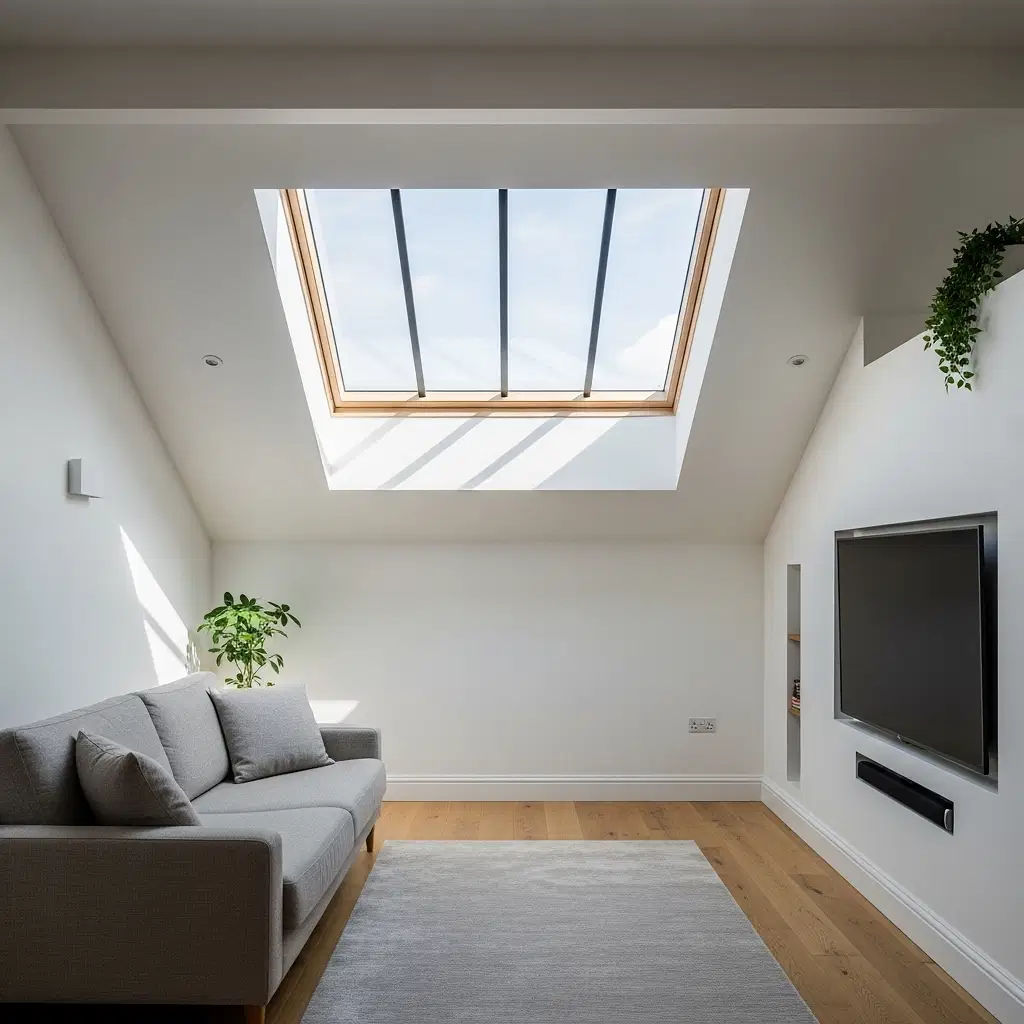
Understanding Solar Heat Gain and Skylight Orientation
One of the biggest concerns homeowners have when considering a new skylight is the potential for overheating their home during the summer. In our High Desert environment, the summer sun is remarkably intense. If you aren't careful, a skylight can act like a magnifying glass, driving up your indoor temperatures and forcing your air conditioning to work overtime.
Preventing solar heat gain with roof skylights starts with choosing the right compass direction for your installation:
- North-Facing Skylights: This is often the ideal choice for maximum energy efficiency. A north-facing skylight provides steady, cool, and even illumination throughout the day. It rarely takes on direct, harsh sunlight, which makes it perfect for adding natural daylighting without increasing cooling load in your main living areas.
- South-Facing Skylights: These will capture the most direct sunlight, especially during the winter when the sun is lower in the sky. While this can provide helpful passive solar heating during colder months, it can easily overheat a room in July and August. If you must place a skylight on a south-facing roof plane, you will want to heavily consider adding automated interior blinds or exterior shading options.
- East and West-Facing Skylights: East-facing units capture the morning sun, warming the house early in the day but cooling off by the afternoon. West-facing units do the opposite, pulling in intense heat during the late afternoon just when your home is already at its warmest. West-facing installations usually require specialized low-emissivity (Low-E) glass to reflect the heat outward.
Carefully planning your energy efficient skylight placement strategies alongside a professional will ensure your home stays bright and comfortable year-round.
The Crucial Role of Flashing and Watertight Installation
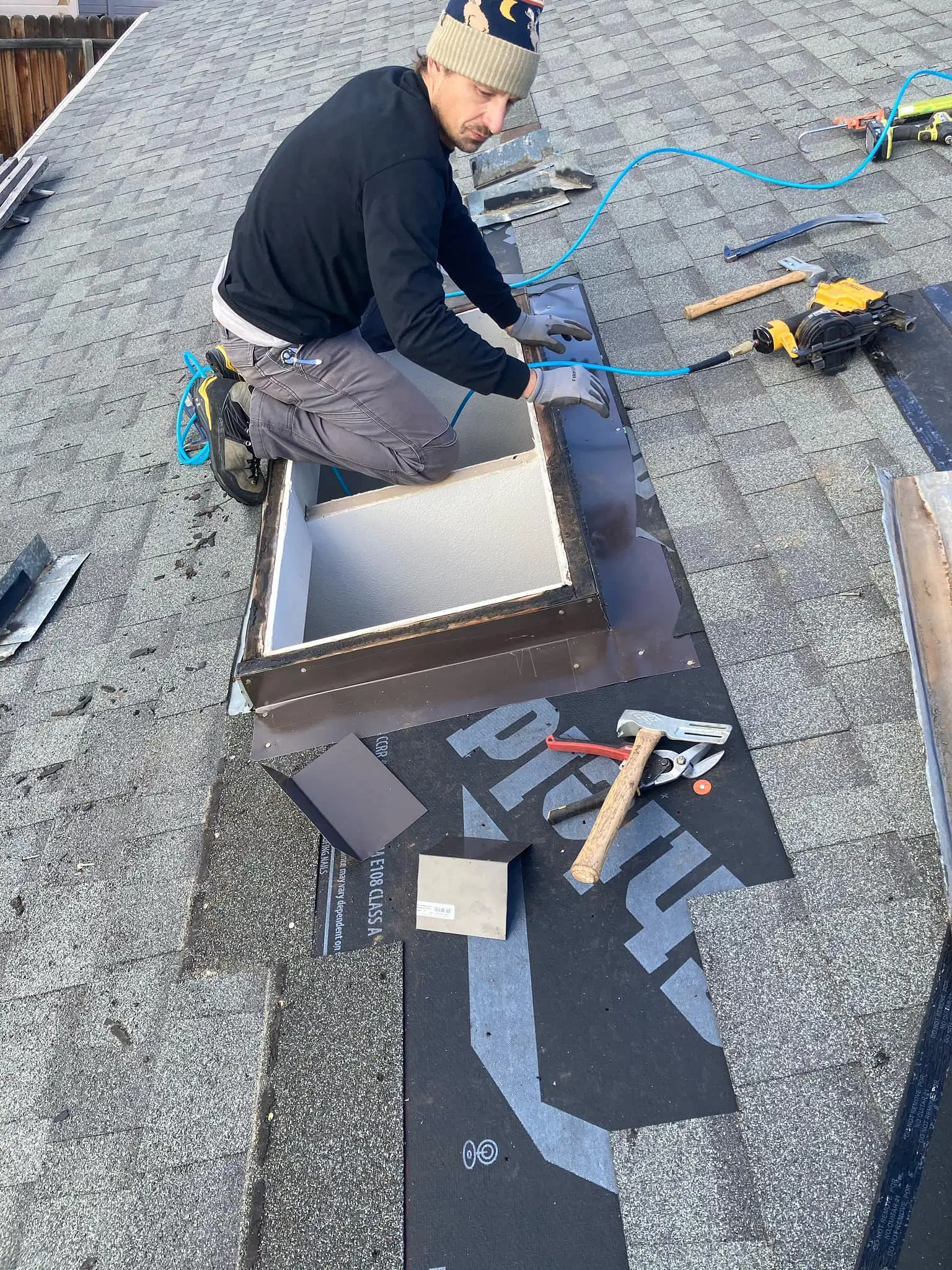
Even the most strategically placed skylight will become a liability if it isn't installed correctly. Older or poorly installed skylights are notorious for leaking, but modern units installed by experienced professionals are incredibly resilient. The secret lies in the flashing—the metal components that integrate the skylight seamlessly into your surrounding roofing materials.
Proper skylight flashing installation to prevent leaks is absolutely critical, especially when we experience a heavy winter inversion. During these periods, stagnant cold air traps moisture, and heavy snow loads on your roof can easily lead to ice damming. If the flashing around your skylight isn't meticulously layered with specialized ice and water shields, melting snow can back up under your shingles and find its way inside.
When we handle skylight installation and repair, we take a comprehensive approach. We don't just drop the unit into the deck; we ensure the underlying roof structure is sound, the underlayment is robust, and the flashing kits are perfectly matched to your specific roofing material. This attention to detail ensures that your new skylight withstands high winds, heavy snow, and heavy rain without compromising your home's watertight envelope.
Pairing Skylights with Comprehensive Roof Efficiency
A skylight does not function in isolation; it is a working part of your larger roofing system. If you are upgrading your home to improve your energy consumption, it makes sense to look at the overall health of your roof at the same time.
Integrating your new daylighting features with energy-efficient roof upgrades can compound your monthly savings. For example, upgrading to high-quality architectural asphalt shingles with reflective granules can bounce a significant portion of the sun's heat away from your home before it even reaches your attic.
Speaking of the attic, proper ventilation and insulation are the unsung heroes of energy efficiency. A well-ventilated attic prevents heat from getting trapped under your roof deck in the summer, which in turn helps your skylight perform better by reducing the overall thermal stress on the glass and surrounding seals. In the winter, good insulation keeps your interior heat from escaping, working in tandem with your skylight to keep your living spaces cozy.
Ready to Brighten Your Home the Right Way?
Adding a skylight is a brilliant way to enhance your living space, boost your mood, and even increase your property value. By carefully considering the orientation to manage heat gain and ensuring a meticulous, weather-tight installation, you can enjoy all the benefits of natural sunlight while keeping your home incredibly energy efficient.
At Boise Roof, we believe in doing things right the first time. We leverage our deep local knowledge of the climate to recommend the best materials and placement strategies for your specific home. Whether you want to add a brand new daylighting feature or need to upgrade an old, leaky unit, our experienced team is here to provide honest assessments and top-tier craftsmanship.
If you are ready to bring more light into your life, reach out to us today. Contact us to schedule a consultation, and let's create a customized plan that brightens your home and protects your energy budget.