Protecting Your Roof's Edge: Preventing Water Damage to Soffits and Fascia
When we think about our roofing system, most of us focus on the shingles above our heads. However, the edges of your roof play a critical role in keeping your home dry, structurally sound, and energy-efficient. The soffit (the exposed siding underneath your roof's overhang) and the fascia (the forward-facing board that caps the end of the rafters) are your roof's unsung heroes. Living in the Treasure Valley means your home faces a unique mix of intense summer sun, driving rain, and winter snow accumulation. This dynamic weather tests every component of your exterior.
Water damage to these specific areas is a widespread issue that often goes unnoticed until the damage becomes severe. Many homeowners find themselves wondering how to tell if a roof needs replacing or just a targeted repair. Often, the answer lies at the roofline. Addressing moisture issues early on is vital because neglected roof edges can lead to significant structural rot, compromised attic ventilation, and costly interior leaks. By understanding how these components work together, you can take proactive steps to maintain your home's integrity, preserve its curb appeal, and avoid unexpected roofing costs down the road.
Recognizing the Early Warning Signs
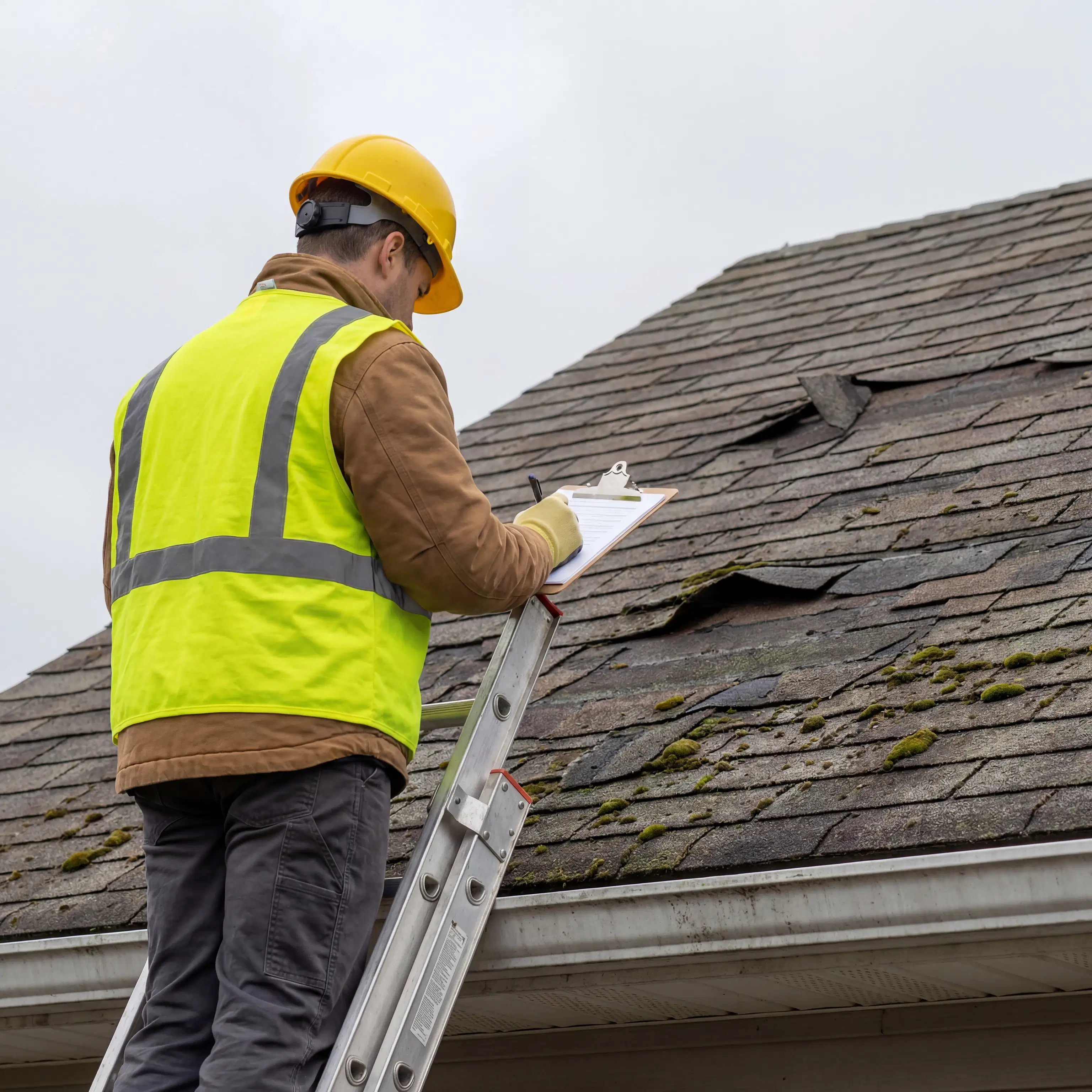
Identifying problems early is the best way to keep repair costs manageable and extend the lifespan of your roof. Homeowners often miss the subtle indicators of moisture intrusion until they notice peeling paint or visible sagging. Some of the most common signs of rotted roof eaves and fascia include soft or spongy wood, blistering exterior paint, and strange discoloration along the roofline. If you notice a musty smell in your attic or see unexplained moisture along the upper walls of your home, the culprit might be a compromised overhang.
Understanding the root of the problem is just as important as spotting the damage. One of the leading causes of wood rot behind gutters is poor water management. When gutters become clogged with pine needles, leaves, and seasonal debris, rainwater has nowhere to go. It backs up and spills over the rear of the gutter, directly saturating the fascia board. Over time, this constant exposure to moisture breaks down the wood fibers.
Similarly, winter weather poses a significant threat. Improper attic insulation and ventilation can cause snow to melt and refreeze at the edge of the roof, creating ice dams. These heavy blocks of ice not only force water up under the shingles but also exert tremendous weight on the fascia, pulling gutters away from the home and creating gaps where moisture can easily penetrate the soffit.
Proactive Steps for Moisture Prevention
Preventing moisture damage to roof overhangs requires a combination of routine maintenance and ensuring your roofing system functions as a cohesive unit. The most fundamental step is keeping your gutters clean and securely attached. Water must flow freely away from your home's foundation and roofline. Upgrading to modern seamless gutters with protective leaf guards can drastically reduce the risk of clogs and subsequent water backup.
Ventilation is another crucial factor. Soffit vents pull fresh, cool air into your attic, pushing hot, humid air out through the exhaust vents at the peak of the roof. If these vents become blocked by insulation, debris, or even bird nests, moisture gets trapped inside the attic. This trapped humidity condenses on the cold wood framing, leading to mold growth and accelerating rot from the inside out. If you are wondering how to repair water damaged soffit vents, the process typically involves removing the compromised material, treating the surrounding wood to prevent mold spread, installing new vented panels, and ensuring the airflow pathway into the attic is completely clear.
For homeowners with older properties, particularly those in historic areas like the North End, upgrading these edge components can make a remarkable difference in both energy efficiency and weather resistance. Utilizing advanced materials that mimic traditional wood finishes can preserve the charm of your home while offering modern durability. If you suspect your home's exterior has suffered from seasonal wear, exploring professional Fascia, Soffit, and Eave Repairs/Upgrades can safeguard your investment. We utilize modern drone-assisted inspections to safely and accurately assess these hard-to-reach areas, providing you with a transparent, honest evaluation of your roof's health without unnecessary disruptions.
When Water Damage Escalates
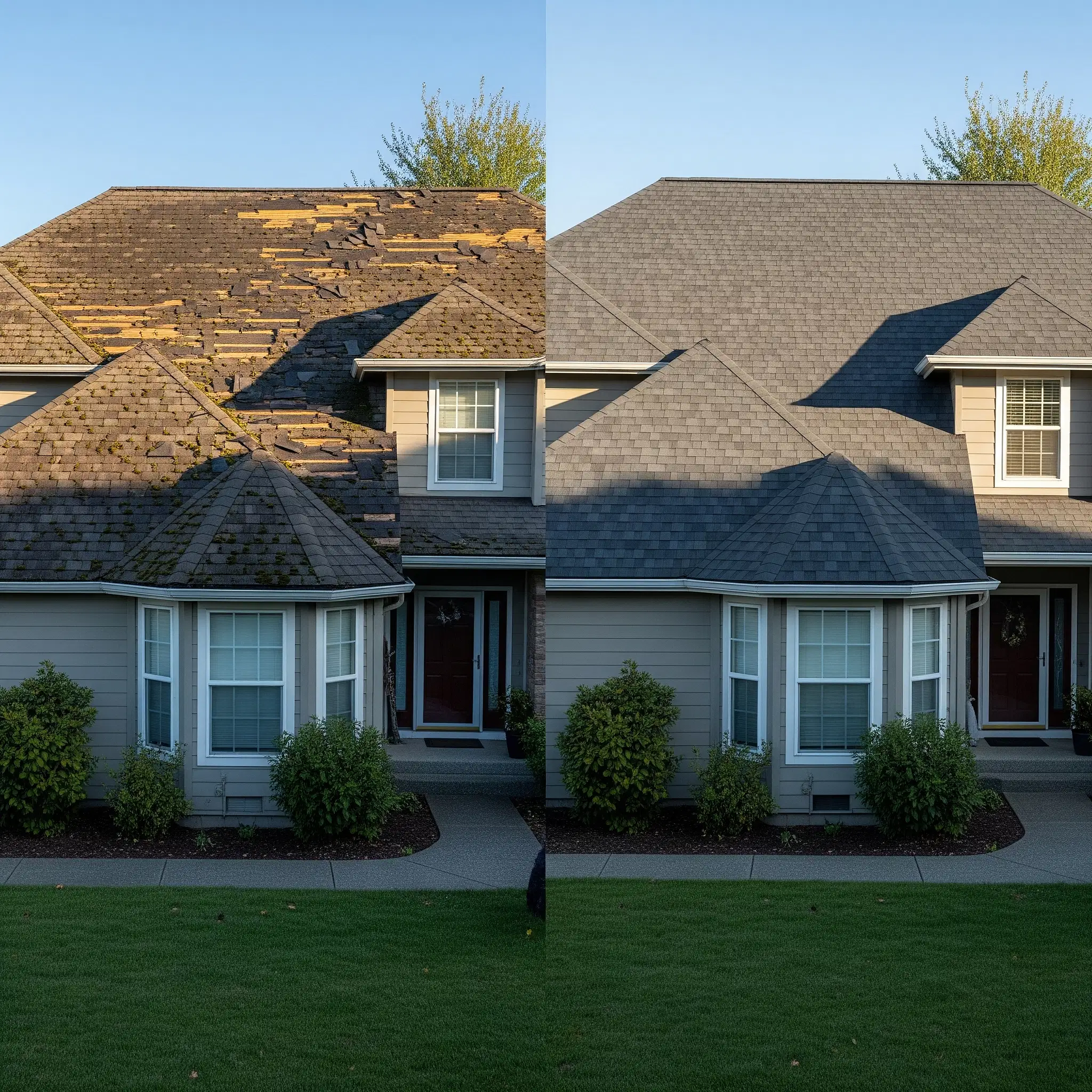
Despite our best efforts, severe storms or years of hidden wear can eventually lead to active leaks. When water breaches the soffit and fascia, it rarely stops there. It can travel along the roof trusses, saturating attic insulation, damaging drywall, and creating an environment for dangerous mold growth. In these scenarios, immediate intervention is necessary to prevent a minor exterior issue from becoming a major interior disaster.
We know that dealing with unexpected roofing problems can be incredibly stressful, especially when balancing household budgets. That is why we prioritize honest assessments and targeted repair solutions over aggressive upselling. We focus on fixing the source of the problem efficiently to protect your home and your wallet. If you are experiencing active leaks or severe moisture intrusion stemming from compromised roof edges, our team is equipped to handle Emergency Water Mitigation and Restoration to stabilize your home quickly and safely.
Maintaining the perimeter of your roof is a fundamental part of responsible homeownership. By keeping an eye out for early signs of wear, ensuring proper gutter function, and maintaining clear attic ventilation, you can add years to the life of your roof. If you have noticed peeling paint, sagging gutters, or suspect hidden wood rot, do not wait for the next heavy storm to find out how severe the damage is. Reach out to Boise Roof today to schedule a thorough, professional inspection and ensure your home remains safe and completely watertight through every season.