Your Boise Home's Unsung Hero: Why Chimney Health is Roof Health
Many of us in Boise love the character of our homes, from the historic brickwork in the North End to the cozy fireplaces that get us through the winter. Your chimney is a big part of that charm, but it’s also one of the most common sources of roof problems. It’s easy to overlook, but the health of your chimney is directly linked to the health of your roof. A small issue with crumbling mortar or failing flashing can quickly lead to significant water damage inside your home.
Here in the Treasure Valley, our homes endure a unique climate—from intense summer sun to heavy winter snow. This high desert climate puts a lot of stress on your home's exterior, and the junction where your chimney meets your roof is particularly vulnerable. In this guide, we'll explore the critical connection between your chimney and roof, help you spot the early warning signs of trouble, and explain how professional repairs can protect your entire home.
The Critical Connection: How Your Chimney Affects Your Roof
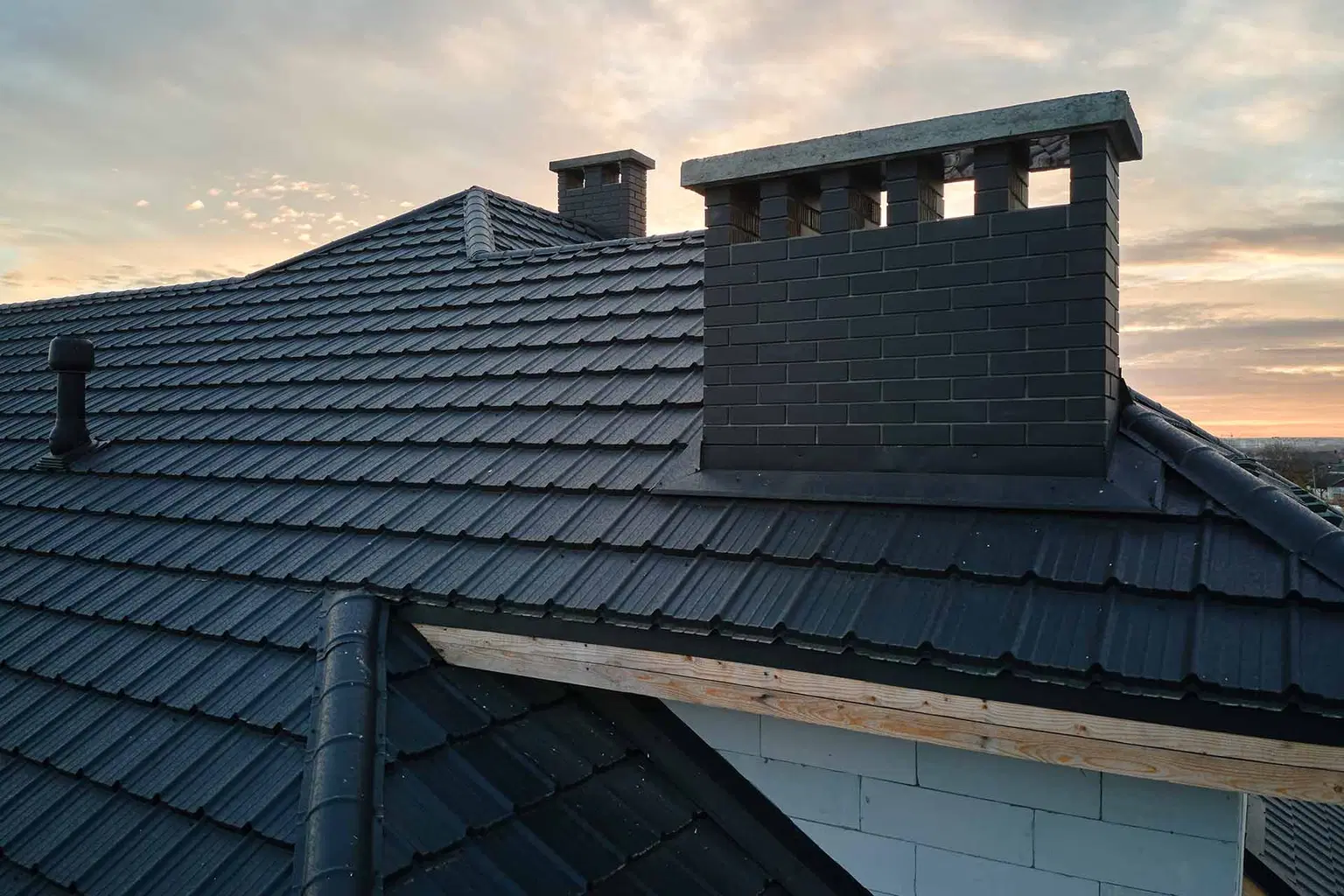
Think of your chimney as an island in the middle of your roof. Anything that penetrates the roof's surface creates a potential entry point for water, and the chimney is the largest of them all. The seal around its base has to be perfect to keep moisture out. When that seal is compromised, your roof's structure and your home's interior are at risk.
Several factors unique to our area can accelerate this breakdown:
- Freeze-Thaw Cycles: Boise's weather often involves temperatures dropping below freezing at night and rising during the day. Water seeps into tiny cracks in the chimney's bricks and mortar, freezes, expands, and widens the cracks. Over time, this cycle can cause significant deterioration.
- Snow Load and Ice Dams: When heavy snow accumulates on your roof, it can put immense pressure on the chimney structure. As the snow melts and refreezes at the roof's edge, it can form ice dams. These ridges of ice can trap water around the base of your chimney, forcing it underneath shingles and through the vulnerable flashing.
- Intense UV Exposure: The summer sun in our high desert climate can bake and degrade the sealants and materials used in your chimney's flashing, making them brittle and prone to cracking.
Warning Signs: How to Spot Chimney Trouble
Catching chimney problems early is the key to preventing expensive, widespread damage. You don't need to be a roofing expert to spot these common red flags. Here’s what to look for from the ground or during a routine gutter cleaning:
- Crumbling Mortar: Look for gaps or crumbling sections in the mortar joints between the bricks. You might even find small pieces of mortar on your roof or on the ground below. This indicates that water is penetrating the masonry.
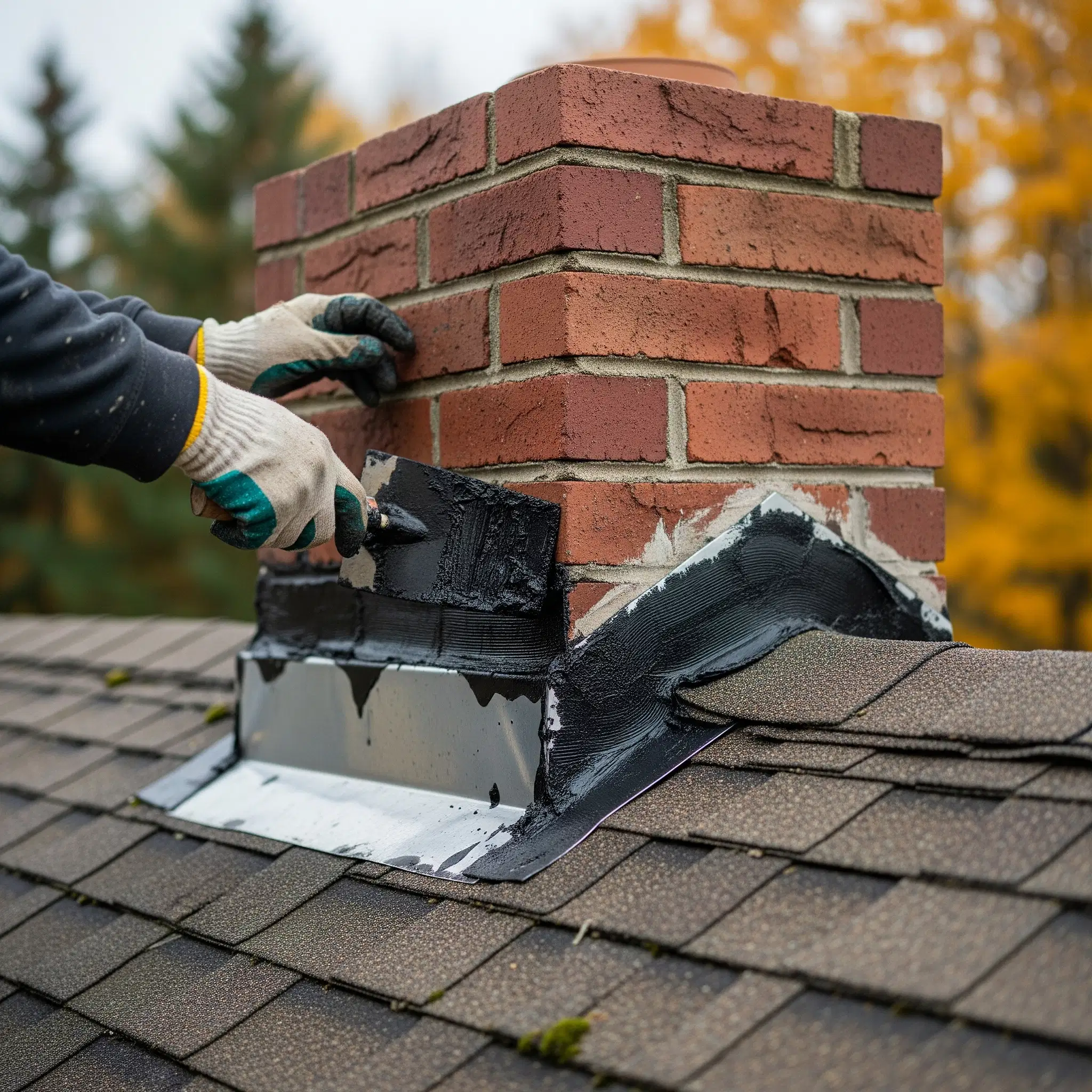
- Damaged Flashing: Flashing is the metal sheeting that seals the joint where the chimney meets the roofline. If you see flashing that is rusted, bent, loose, or pulling away from the chimney, it’s no longer watertight. This is the number one cause of chimney-related roof leaks.
- Water Stains: Discolored patches on the ceiling or walls near your fireplace are a sure sign of a leak. Don't ignore them—the problem is often directly above.
- Spalling Bricks: If the faces of your bricks are flaking, popping off, or chipping, it means moisture has gotten inside and is breaking them apart from within.
- Cracked Chimney Crown: The concrete slab on top of your chimney is called the crown. Its job is to shed water away from the flue. If it's cracked, water can run straight into the chimney structure, causing damage from the inside out.
Our Professional Approach to Chimney and Roof Integration
When we find an issue with a chimney, we don't just patch the symptom; we address the root cause to ensure a lasting solution. Our process is built on transparency and expertise, ensuring your entire roofing system is secure.
First, we conduct a thorough assessment. This often involves using modern tools like drones for a safe, close-up look at the entire chimney structure, followed by a hands-on inspection of the flashing and surrounding roof area. This detailed evaluation is part of our free roof inspection and estimate service.
Next, we focus on the core repairs. For most leaks, this means a full chimney flashing repair or replacement. We remove the old, failing materials and install a new, multi-layered flashing system that integrates perfectly with your roof. If the masonry itself is damaged, we handle mortar repointing and partner with trusted local masonry specialists for any brick replacement, ensuring the repair matches your home's aesthetic, which is especially important for historic properties.
Finally, we ensure a seamless integration with the rest of your roof system. A chimney repair is a roofing job, and it must be done with the whole system in mind. We check for any related damage to the underlying decking, underlayment, and surrounding shingles. Sometimes, this is a good opportunity to address other nearby components, like fascia and soffit repairs, to create a fully protected and cohesive roofline.
Protect Your Investment with a Professional Inspection
Your chimney is a vital part of your home's structure and your roof's integrity. Ignoring signs of wear and tear can lead to serious water damage, compromising your home's safety and value. By being proactive and understanding the connection between your chimney and roof, you can protect your investment for years to come.
If you've noticed any of the warning signs mentioned above, or if you simply want peace of mind about the condition of your home's exterior, we're here to help. Contact Boise Roof today to schedule a comprehensive and professional home inspection. We’ll provide an honest assessment and clear solutions to keep your Boise home safe and dry.